
Advantages of Non-Running Cars for Parts - What South African Owners Should Know
Discover why non-running cars can be valuable for parts in South Africa, how the parts market works, legal considerations and practical tips to maximise value.
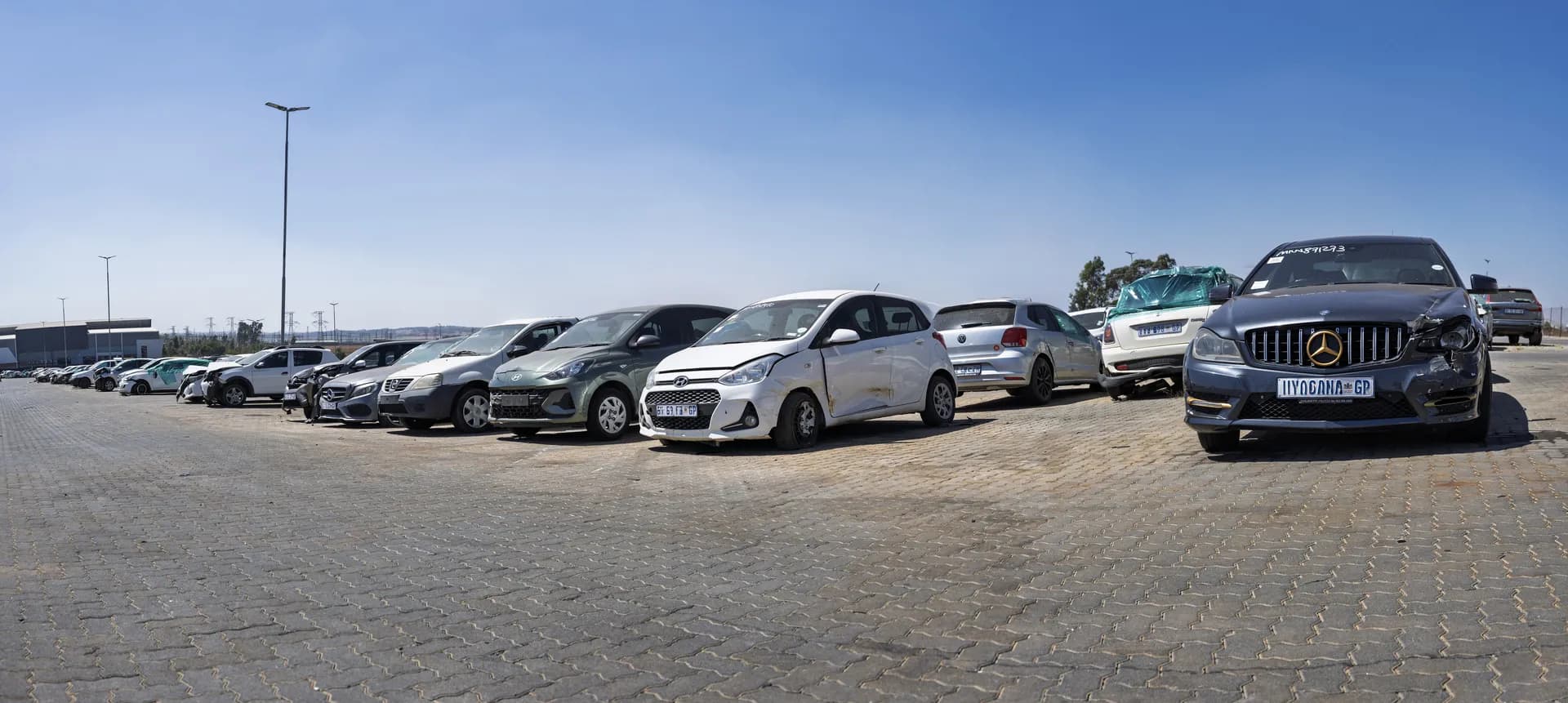
Quick Disposal Option
Selling for parts speeds up disposal and removes storage costs.
Parts Often Retain Value
Engines, electronics and panels can be reused even if the car doesn’t run.
Paperwork & Collection Help
Many buyers arrange towing and assist with deregistration nationwide.
Overview: Why non-running cars are valuable for parts
A non-running car often still contains many reusable components: engines, transmissions, body panels, electronics and trim. For owners in Johannesburg, Cape Town, Durban and other South African centres, selling a vehicle for parts can be a faster, lower-effort alternative to costly repairs or prolonged storage. The local salvage market, independent mechanics and DIY enthusiasts create steady demand for sound components - especially for common makes and models that are costly to replace new.
Practical benefits for owners
- Faster disposal: Moving a non-running vehicle to a parts buyer avoids months of advertising and negotiating in private sales.
- Lower logistics hassle: Many reputable buyers arrange collection and handle transfer paperwork.
- Reduced ongoing costs: Owners stop paying for storage, security or informal repairs that may never be completed.
How parts value compares to repair or resale
Deciding whether to repair, sell whole or sell for parts depends on repair cost, the vehicle's pre-damage market value and parts demand for the model. In South Africa, labour and panel costs can make repairs uneconomic for older or heavily damaged cars. Selling for parts converts remaining value quickly and with lower risk.
| Scenario | Typical outcome (illustrative) |
|---|---|
| Minor mechanical repair (cost low relative to value) | Repair may retain most resale value if structural damage is absent |
| Major structural or flood damage | Parts sale often returns more usable value than attempting repair |
| Non-running due to engine or transmission failure | Core components can be sold separately; remaining shell still has scrap or panel value |
Note: Figures and outcomes in this guide are illustrative and depend on model, age, mileage and local demand. For a quick assessment of a non-running car, consider a service that provides a valuation based on photos and details.
Where dismantling fits in the South African market
Independent panel shops, scrapyards and professional dismantlers are active across South Africa. Classic parts and in-demand components hold value, while some items (airbags, catalytic converters) are regulated or subject to theft risk - these factors influence offers. If you prefer a straightforward process, many buyers now provide an online valuation and arrange collection; see how organisations that buy non-running cars operate for step-by-step details on valuation and collection on the About / How it works page.
When to keep a non-running car for parts vs sell whole
If you have space, time and mechanical skill, parting out a vehicle yourself can capture more value but requires effort: cataloguing parts, handling enquiries and shipping or collection. For many private owners and small fleet managers, selling the vehicle whole to a specialist is faster and reduces exposure to fraud or non-paying buyers. If you want to explore selling a non-running car directly to a buyer who handles dismantling and towing, the dedicated Sell Non-Running Car service page explains the typical online valuation workflow.
Damage types and their typical effect on parts demand
| Damage type | Typical impact on parts value |
|---|---|
| Engine/transmission failure (vehicle otherwise intact) | High demand for usable body, interior and some electrical components |
| Frontal collision / structural damage | Core drivetrain parts and non-structural panels often retain value; chassis damage reduces resale as a whole |
| Flood or fire damage | Electrical systems and interiors often lost; mechanical parts may be salvageable depending on exposure |
For South African sellers concerned about paperwork and deregistration after sale, professional buyers usually assist with administration, which simplifies the transfer and reduces legal ambiguity.
How selling for parts works: step-by-step
A typical professional parts-purchase process in South Africa follows these steps: 1) provide vehicle details and photos; 2) receive an indicative assessment; 3) agree collection and paperwork; 4) vehicle is collected and payment finalised. Many reputable services offer nationwide collection and handle deregistration and transfer documentation, reducing the effort for owners in Gauteng, Western Cape, KwaZulu-Natal and beyond. For an example of an online workflow and valuation process, visit the homepage to see how submissions are handled.
Tips to maximise parts value (practical, experience-based)
- Take clear photos: engine bay, interior, VIN/chassis plate and all damaged areas - buyers rely on images for quick valuations.
- Provide service history and keys: documented maintenance and multiple keys increase buyer confidence.
- Remove personal items and secure paperwork: ID, license disc and vehicle registration should be ready for transfer.
- Be transparent about hidden damage: accurate descriptions avoid delays at collection and payment.
Legal & paperwork considerations in South Africa
Selling a non-running car requires clear ownership proof and completion of transfer or deregistration steps. If the vehicle is still under finance, inform the financier - the debt must be settled or transferred according to the finance agreement. Reputable buyers often assist with the necessary admin and deregistration, but confirm which documents they will handle before collection. For an overview of services that handle paperwork and collection, see the Sell Damaged Cars page.
What to expect after collection
Once a buyer collects the vehicle, professional dismantlers will inventory reusable components and either sell them through trade channels or refurbish items for resale. Other materials may go to scrap or recycling facilities. Expect written confirmation of transfer and, where applicable, a final payment or payment release once documentation is verified. Keep copies of all paperwork for your records.
Example scenarios (South African context)
A Cape Town owner with a non-starting 10-year-old hatchback and intact bodywork may find that parts demand (interior panels, alternator, starter motor) is higher than the value of attempting a full engine rebuild. A small fleet operator in Durban with older non-running vans can reduce downtime and storage expense by selling off vehicles in batches to a dismantler who collects and handles deregistration.
Sources
- National Association of Automobile Manufacturers of South Africa - market and vehicle statistics
- South African Insurance Association - guidance on written-off vehicles and salvage
- Cars.co.za - South African vehicle market articles and trends (illustrative context)
These sources provide background on the South African vehicle market, salvage policy and buyer demand. Figures and outcomes mentioned in this guide should be treated as general guidance; specific valuations depend on condition, model, location and documentation.
Seasoned automotive specialists dedicated to helping you turn your damaged or non-running vehicle into cash fast and hassle-free.
Disclaimer: This content is for educational purposes only. Product availability, pricing, and specifications are subject to change. Always verify current details on the retailer's website before making a purchase. We may earn affiliate commissions from qualifying purchases.
Why sell your damaged car to us?

A Division of Auction Nation, the leading expert in selling damaged cars

Best price for your damaged car

Get a cash offer within 24h

We buy damaged cars in any condition

We buy accident- damaged cars still under finance

Free, no obligation offer on your vehicle
How We Calculate Your Damaged Car’s Value
Wondering how we calculate your car’s value? At Sell Your Damaged Car, we look at: Your car’s real condition, its salvage value, and the current market demand. It’s all about honesty, transparency, and fairness — that’s how we determine your offer.
Frequently Asked Questions
Get answers to common questions about Comparison And Alternatives
Why Choose Sell Your Damaged Car?
Free Towing
Need a tow? We got you
Hassle Free
Get a cash offer within 24h!
Nationwide
Somewhere remote? No problem!
