
Accident Vehicle Market Trends in Durban - 2024 Analysis
Understand Durban-specific trends for accident vehicles: demand drivers, repair vs sell guidance, salvage pricing and paperwork considerations for South Africa.
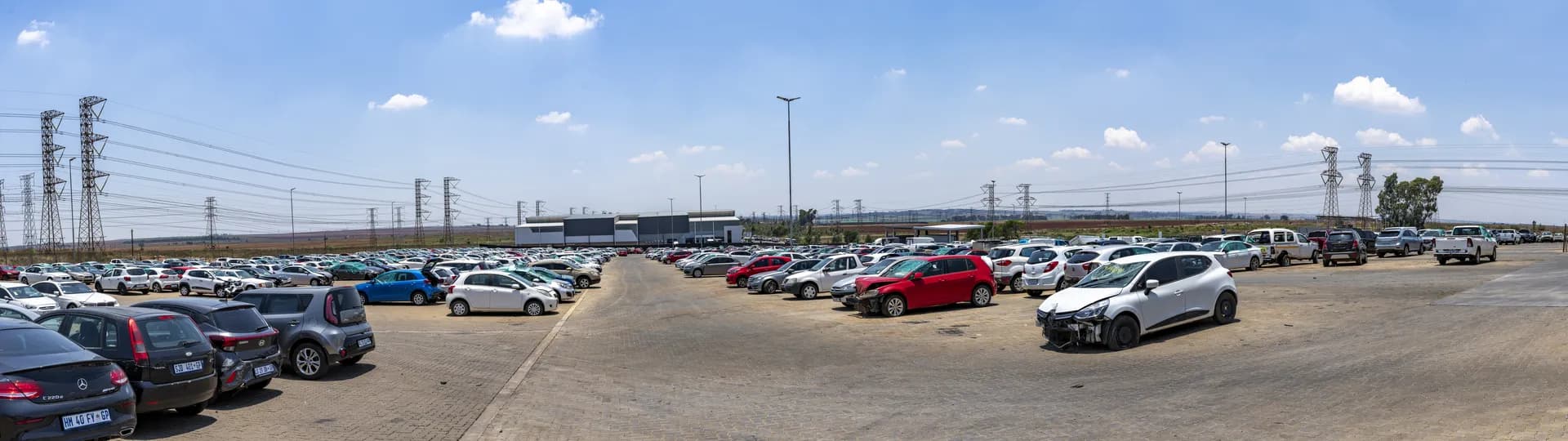
Durban market snapshot
Port access and local demand shape salvage values and logistics.
Repair vs sell guidance
When repair costs approach resale value, selling often becomes more practical.
Paperwork & logistics matter
Free towing and admin support reduce risk and speed up cash recovery.
Overview: accident-vehicle-market-trends-durban
This guide summarises recent trends in the Durban market for accident-damaged, written-off and non-running vehicles. It focuses on supply and demand drivers you are likely to meet as a vehicle owner or small-fleet manager in eThekwini, nearby KwaZulu-Natal towns and the wider South African salvage ecosystem. The analysis emphasises practical implications: what types of damage currently affect valuations, how salvage buyers are behaving, and what that means for your options when deciding whether to repair or sell.
Current Durban market snapshot
Durban’s accident-vehicle market is shaped by local factors: port activity that supports a strong dismantling and export market, high traffic volumes on the N3 and M4 corridors, and seasonal weather effects (e.g., summer storms). These factors create steady demand for salvage parts and units that can be repaired or stripped for export. At the same time, local repair costs and insurance write-offs influence how many vehicles enter the salvage stream.
Key drivers affecting offers in Durban
- Parts demand for common models in KZN (spares value often outweighs repairability).
- Transport and towing logistics - proximity to dismantlers or ports can raise net offers.
- Seasonal shifts - storm and flood incidents can temporarily increase stock of damaged vehicles.
- Insurance salvage flows - insurer write-offs feed dealers and auction houses.
- Currency and export demand - R exchange fluctuations affect export-driven prices.
Practical note
If you are in Durban and want an informed comparison, upload photos and details to our site to see a transparent, data-driven offer reflecting local salvage demand and logistics.
Repair cost vs value retained (Durban examples)
| Repair scenario | Typical repair cost (R) | Estimated value retained (%) |
|---|---|---|
| Minor bumper & light repair | R5,000 - R15,000 | 80-95% |
| Front-end structural repair | R25,000 - R70,000 | 40-65% |
| Engine/gearbox replacement | R30,000 - R120,000 | 30-60% |
Figures above are illustrative ranges for South Africa and should be treated as estimates. High repair costs relative to expected resale value often push owners toward the salvage market instead of repair.
Who is buying accident vehicles in Durban?
- Local dismantlers and spares dealers serving the KwaZulu-Natal market and export channels.
- Independent repair shops that buy repairable units.
- Export consolidators near the Port of Durban who purchase units for overseas parts demand.
- Online aggregators and auction houses that handle insurer salvage stock.
If your vehicle is non-running or written off, consider listing with a buyer who covers towing and admin - this reduces logistics friction compared with private sale. Learn more about selling non-running vehicles on our Sell Non-Running Car page and see what kinds of units we typically buy on our Sell Damaged Cars page.
When to sell vs repair in Durban
Deciding whether to repair or sell depends on comparative costs, part availability and your time horizon. In Durban, where parts demand for common models is strong, selling can be the lower-effort choice when repair costs exceed roughly 40-60% of the vehicle’s pre-accident retail value. For small businesses with fleet pressure, immediate cash recovery and minimal admin often outweigh the benefits of returning a vehicle to service.
Damage types vs typical offer impact
| Damage type | Typical impact on offer |
|---|---|
| Cosmetic (panels, lights) | Lower reduction; parts readily sold - moderate impact |
| Structural/frame damage | Significant reduction; specialist buyers only - large impact |
| Powertrain failure (engine/gearbox) | Offers vary widely; depends on donor market and salvageability |
| Flood or fire damage | Often classed as write-off; parts demand and corrosion risk determine value |
How the selling process works in practice
A smooth transaction in Durban typically follows these steps: take clear photos of the vehicle and damage; describe mechanical and electrical condition; receive a transparent, data-based offer; arrange collection and paperwork; and complete transfer of ownership and payment. Services that include free towing and paperwork handling reduce delays and risk, especially for non-running vehicles or when deregistration and settlement of finance are needed.
For more details on our process and to compare timelines, see our company overview at About / How it works and the homepage for immediate valuations: Sell Your Damaged Car homepage.
Legal & paperwork considerations in South Africa
- Deregistration: buyers often assist with deregistration paperwork to remove liability - confirm what they handle.
- Vehicles under finance: settlement must be agreed with the finance house; many buyers manage payouts directly as part of the sale.
- Written-off vehicles: ensure clear documentation of insurer status and ownership to avoid future complications.
Tips to maximise your Durban offer
- Provide clear, multiple-angle photos and accurate descriptions of mechanical faults.
- Include service history or evidence of recent repairs where available.
- Be transparent about outstanding finance or prior structural repairs - this accelerates offers.
What happens after collection
After a buyer collects the vehicle, typical next steps include completion of transfer documents, settlement of any finance instructions, and payment release. In Durban, recycled parts are commonly stripped locally or prepared for export via the Port of Durban - both channels underpin ongoing demand for damaged vehicles and spare parts.
Final observations for Durban owners
Market conditions shift with seasonal incidents and export demand, so timing and accurate condition reporting matter. Use local market knowledge: coastal logistics and port access in Durban can improve net outcomes compared with more inland locations. If you want a valuation reflecting current Durban demand, provide clear photos and vehicle details to a buyer that lists logistics and paperwork inclusions up front.
Sources
Seasoned automotive specialists dedicated to helping you turn your damaged or non-running vehicle into cash fast and hassle-free.
Disclaimer: This content is for educational purposes only. Product availability, pricing, and specifications are subject to change. Always verify current details on the retailer's website before making a purchase. We may earn affiliate commissions from qualifying purchases.
Why sell your damaged car to us?

A Division of Auction Nation, the leading expert in selling damaged cars

Best price for your damaged car

Get a cash offer within 24h

We buy damaged cars in any condition

We buy accident- damaged cars still under finance

Free, no obligation offer on your vehicle
How We Calculate Your Damaged Car’s Value
Wondering how we calculate your car’s value? At Sell Your Damaged Car, we look at: Your car’s real condition, its salvage value, and the current market demand. It’s all about honesty, transparency, and fairness — that’s how we determine your offer.
Frequently Asked Questions
Get answers to common questions about News Updates
Why Choose Sell Your Damaged Car?
Free Towing
Need a tow? We got you
Hassle Free
Get a cash offer within 24h!
Nationwide
Somewhere remote? No problem!
