
Accident Car Sales Process in South Africa - Step-by-Step Guide
Learn the step-by-step accident car sales process in South Africa: valuations, paperwork, towing, and post-sale actions for owners in Johannesburg, Cape Town and Durban.
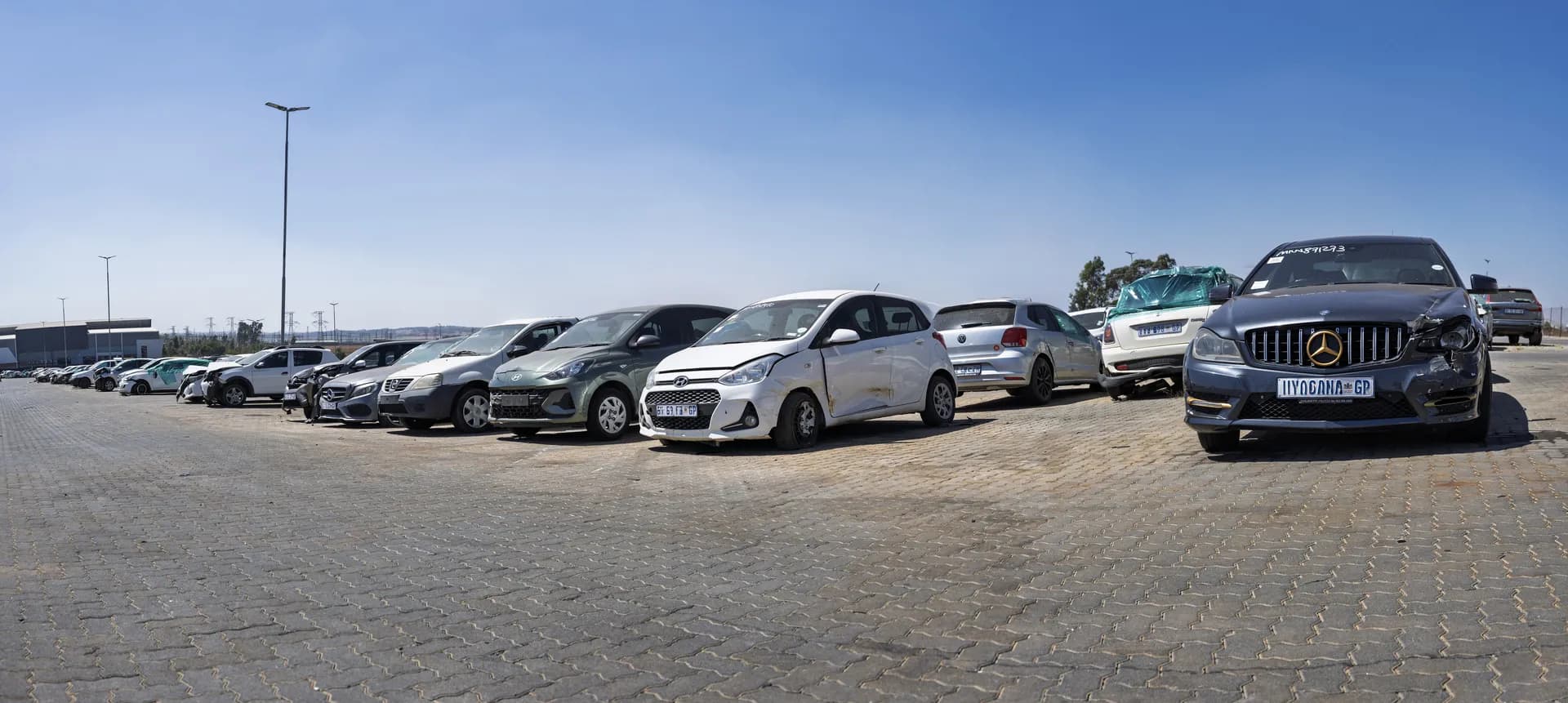
Step-by-step Process
From photos and valuation to collection, paperwork and payment.
Paperwork Matters
Correct transfer, police reports and finance settlement avoid delays.
Damage Affects Offers
Type and extent of damage influence salvage demand and bid levels.
Overview: What the accident car sales process in South Africa involves
Selling a vehicle after an accident follows a defined sequence: an assessment of damage and value, a formal offer from a buyer, agreement on collection logistics, transfer of ownership and final payment. For many owners in Johannesburg, Cape Town and Durban, the priority is speed and clarity - particularly when vehicles are non-running, written off or have extensive mechanical damage. Understanding each step reduces delays, avoids common pitfalls and helps you keep control of the transaction.
Why knowing the process matters
An organised sales process protects you legally and financially. It ensures correct deregistration, prevents future liabilities and speeds up payment and removal of the vehicle - especially useful when you need to clear fleet assets or remove an unsafe vehicle from private property.
When to sell vs repair an accident vehicle
Deciding whether to repair or sell an accident vehicle depends on repair cost, vehicle market value, safety and the availability of parts. For older vehicles, severe structural damage, or when insurance has written the car off, selling is often the quicker, lower-risk option. Small repairs may make sense for late-model cars with high resale value, but major structural or flood damage usually reduces retained value significantly.
Repair cost vs value retained (typical South Africa examples)
| Estimated Repair Cost (R) | Typical Value Retained After Repair | When to consider selling instead |
|---|---|---|
| R5,000 - R20,000 | 70%-95% (minor panel/paint) | If repair exceeds 30% of market value |
| R20,000 - R60,000 | 40%-80% (moderate structural/engine) | Consider selling if safety or long-term reliability is uncertain |
| R60,000+ | Varies widely; often below 50% (severe write-off) | Often better to sell as salvage or for parts |
Note: figures are illustrative and reflect typical South African market tendencies. Repair quotes and retained value vary by make, model, year and local parts availability.
Damage types and how they typically affect offers
| Damage Type | Typical Impact on Offer | Examples |
|---|---|---|
| Minor panel/paint damage | Low impact; higher offers if mechanicals intact | Bumper scuffs, dented door |
| Structural or frame damage | Significant reduction; may be classed as written-off | Front-end collision, chassis bends |
| Mechanical failure / non-running | Varies; non-runners are sold for parts or salvage | Engine seized, transmission failure |
| Water/flood or fire damage | High reduction; safety and corrosion concerns | Flood-affected electrics, fire damage |
Offers depend on current salvage demand and spare-part values in South Africa. Buyers will inspect photos, service history and any accident reports to form a transparent offer.
For a practical overview of what we buy and how valuations are made, see the Sell Damaged Cars page. To understand our company background and nationwide service, read our About / How it works page.
How the accident car sales process works (step-by-step)
A clear process helps avoid delays. The usual steps are: submit vehicle details and photos, receive an offer, accept or decline, arrange collection and hand over paperwork, and finalise payment. Many South African buyers include free towing and handle deregistration - confirm inclusions before accepting an offer.
Typical step sequence
- Provide accurate vehicle details: make, model, year, mileage, clear photos (interior, exterior, damage close-ups) and relevant documents.
- Preliminary valuation: buyers review materials and may ask questions or request additional photos.
- Formal offer: a written, transparent cash offer based on condition and salvage market.
- Agree collection and paperwork: confirm the date for towing, provide ID, ownership documents and sign transfer forms.
- Final inspection and payment: once the vehicle is collected and documents verified, payment is made as agreed.
Legal and paperwork considerations in South Africa
Legal transfer of ownership and correct notification to authorities are critical. Sellers should ensure the Notice of Disposal (or appropriate transfer documents) is completed and a police accident report is available if required. If the vehicle is still under finance, inform the financier - settlement or release instructions must be followed before transfer can be completed.
Key documents and actions
- Vehicle registration papers (registration certificate)
- Valid ID of the seller and proof of bank details for payment
- Police accident report (if requested) and service records
- Deregistration or transfer notifications to the relevant authority (handled by many professional buyers)
For specifics about selling non-running vehicles and what information to provide, consult the Sell Non-Running Car resource which explains documentation typically required across South Africa.
Tips to maximise your offer
- Provide comprehensive photos: clear shots of damage, odometer, VIN and any service stickers.
- List recent maintenance and receipts - documented service can improve confidence and offers.
- Be honest about hidden issues; accurate disclosures speed up payment and reduce renegotiation.
- If the vehicle is under finance, get payoff details ready - this allows buyers to prepare settlement steps.
What happens after collection
After the vehicle is collected, buyers typically complete a final inspection, lodge transfer/deregistration paperwork and process payment. When a professional buyer handles deregistration, they will confirm with you once the vehicle is removed from your name. Keep proof of transfer and any bank receipts for your records.
Typical timelines and South Africa notes
Collection and payment are often completed within a few days for straightforward sales. If finance settlement or official deregistration is required, allow extra time - these steps depend on third-party processes. Many nationwide services offer free towing from metros and surrounding areas across South Africa, reducing logistical delays for sellers outside major centres.
Common mistakes to avoid
- Delaying sale: storage and further deterioration can reduce offers.
- Incomplete paperwork: missing registration documents or unresolved finance slows transfer.
- Accepting vague offers: insist on written offers that list inclusions like towing and admin support.
Sources
- South African Department of Transport - official resources and guidance
- Road Traffic Management Corporation (RTMC) - vehicle registration and eNaTIS information
- South African Police Service - accident reporting requirements
- Automobile Association (AA) South Africa - advice on written-off and damaged vehicles
If you want a concise walkthrough of how a professional buyer handles valuation, collection and payment, our homepage has an overview of the online submission and offer process: Sell Your Damaged Car - homepage. Understanding the accident car sales process in South Africa helps you choose the right route for your vehicle and avoid common delays when selling from Johannesburg, Cape Town, Durban or surrounding areas.
Seasoned automotive specialists dedicated to helping you turn your damaged or non-running vehicle into cash fast and hassle-free.
Disclaimer: This content is for educational purposes only. Product availability, pricing, and specifications are subject to change. Always verify current details on the retailer's website before making a purchase. We may earn affiliate commissions from qualifying purchases.
Why sell your damaged car to us?

A Division of Auction Nation, the leading expert in selling damaged cars

Best price for your damaged car

Get a cash offer within 24h

We buy damaged cars in any condition

We buy accident- damaged cars still under finance

Free, no obligation offer on your vehicle
How We Calculate Your Damaged Car’s Value
Wondering how we calculate your car’s value? At Sell Your Damaged Car, we look at: Your car’s real condition, its salvage value, and the current market demand. It’s all about honesty, transparency, and fairness — that’s how we determine your offer.
Frequently Asked Questions
Get answers to common questions about Selling Guides
Why Choose Sell Your Damaged Car?
Free Towing
Need a tow? We got you
Hassle Free
Get a cash offer within 24h!
Nationwide
Somewhere remote? No problem!
