
Accident Car Pricing Guide South Africa - How Offers Are Calculated
Learn how accident-damaged cars are valued in South Africa. This guide explains valuation factors, repair vs sell decisions, paperwork, and tips to increase your offer.
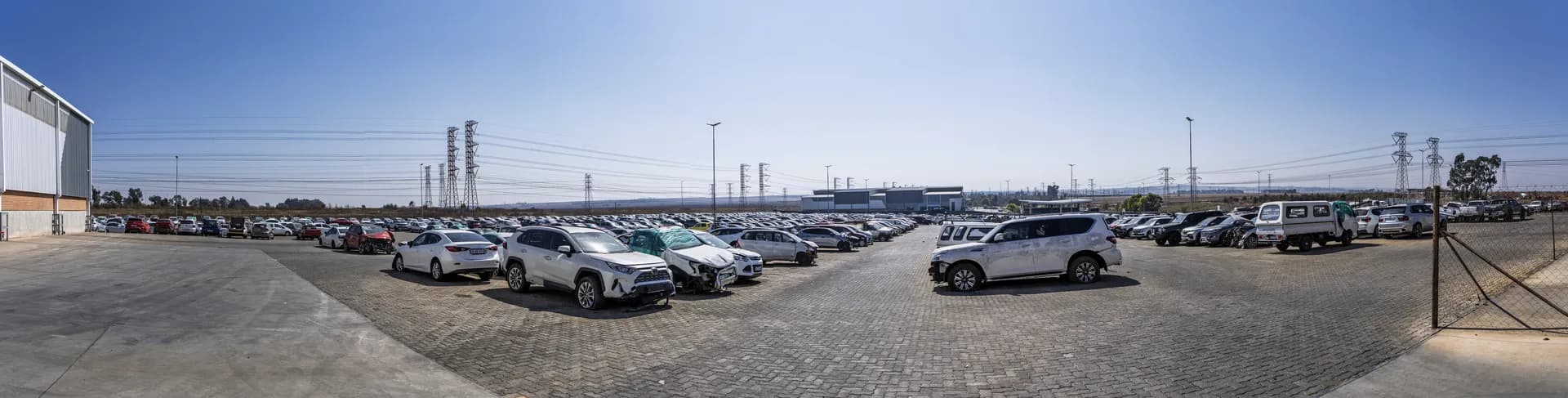
How Offers Are Calculated
Market value, repair cost, damage type and salvage demand determine cash offers.
Sell vs Repair Decision
If repairs approach 50-70% of pre-accident value, selling as damaged is often wiser.
Paperwork & Nationwide Service
Verify ownership, settle finance and prefer buyers who handle deregistration and towing.
Overview: What this accident car pricing guide South Africa covers
This accident car pricing guide South Africa explains how buyers and salvage markets value accident-damaged vehicles, what affects a cash offer, and practical steps owners can take to obtain a fair valuation. The guide is written for private owners and small fleets in Johannesburg, Cape Town, Durban and surrounding regions looking to convert an accident-damaged or non-running vehicle into cash. Examples use currency in R and figures are shown as broad estimates or ranges where exact values vary by make, age and market demand.
Key components of an accident-damaged car valuation
- Market value of the vehicle before the accident (trade/resale value).
- Cost to repair the damage to a safe, roadworthy condition (labour, parts, panel beating).
- Structural vs cosmetic damage - structural faults reduce offers more heavily.
- Mechanical condition and whether the vehicle is running or non-running.
- Salvage demand for usable parts and the likely resale channels.
When to sell vs repair
A simple rule used by many owners and assessors: if repair cost approaches or exceeds 50-70% of the vehicle's pre-accident market value, selling as damaged is often the more practical option. This accident car pricing guide South Africa supplies context: repairs can introduce hidden costs (rust, prior wear, rework) and extended downtime, while selling moves the responsibility of repair or dismantling to the buyer.
| Scenario | Typical decision point | Why |
|---|---|---|
| Minor bumper/door damage | Often repair | Lower cost repairs, retains resale value. |
| Structural/frame damage | Often sell | High repair costs and resale stigma reduce retained value. |
| Non-running / engine seized | Sell or part out | High mechanical repair costs and towing/transport considerations. |
Note: Repair estimates and retained value depend on vehicle age, model desirability and parts availability. In South Africa, demand for certain models or parts (e.g., common bakkie components) can lift salvage values.
How the buying process typically works
Professional buyers and salvage specialists assess condition, check ownership and outstanding finance, and estimate resale or part-out value. Sell Your Damaged Car’s standard flow - useful context for comparison - is described in the company overview and process documentation on the About / How it works page. When you request a quote, expect to provide make, model, year, mileage, clear photos and details of the damage.
Valuations often use three reference points: current used-car market prices, estimated repair costs (local labour and parts rates in SA), and salvage demand in relevant metros such as Johannesburg, Cape Town and Durban. Buyers may discount offers for transport costs if the vehicle is non-running or in a remote area.
Damage types vs typical offer impact
| Damage type | Typical impact on offer | Why |
|---|---|---|
| Cosmetic (panels, bumper) | Small to moderate reduction | Repairable with predictable costs. |
| Mechanical (engine, gearbox) | Moderate to large reduction | Repair costs high; running condition uncertain. |
| Structural/frame | Large reduction | Affects safety and long-term resale value. |
| Flood or fire damage | Very large reduction | Extensive hidden damage and limited market demand. |
For owners unsure whether to repair, a practical step is to request an obligation-free offer from buyers who accept vehicles in any condition - this lets you compare net outcomes (repaired sale price minus repair cost) versus a direct cash offer. Sell Your Damaged Car’s pages on selling non-running or damaged vehicles outline examples and the quick online quote flow: Sell Damaged Cars.
Legal and paperwork in South Africa
When selling an accident-damaged vehicle, clear transfer of ownership and correct deregistration (if applicable) are critical. Buyers will typically request proof of ownership, a signed copy of the registration document, proof of identity and a completed transfer section. If a vehicle is under finance, any settlement or payout instructions must be declared so outstanding debt is handled before transfer. Many buyers, including specialist services, offer to handle paperwork and deregistration to reduce administrative burden for the seller.
Common legal checks buyers run
- Title and registered owner verification.
- Outstanding finance or bonds registered against the vehicle.
- Written-off status on insurance or police records.
- Correctly signed transfer documentation and ID verification.
Tips to maximise your offer
- Provide clear photos (multiple angles, close-ups of damage and odometer) - buyers pay more for accurate info.
- Be honest about prior repairs and mechanical faults to avoid disputes during collection and payment.
- Have service history or invoices ready if available; documented maintenance can support value.
- Compare offers from reputable buyers and check reviews or references, particularly for nationwide services.
Practical examples: A 2014 compact hatch with moderate front-end damage might see an offer reduced by R10,000-R30,000 depending on local repair rates; a structurally damaged equivalent may be reduced substantially more. These ranges are illustrative and depend on model desirability and parts availability in South Africa.
What happens after collection
After you accept an offer, an organised buyer will schedule collection, verify documents, complete transfer paperwork and process payment. Services that provide free towing and paperwork handling reduce the seller’s workload and potential delays. If you want to review a streamlined buyer’s flow and how collection is handled, see the Sell Non-Running Car guidance on the site: Sell Non-Running Car. Buyers typically release payment on collection or immediately after verifying paperwork; timelines and methods should be confirmed in writing.
Repair cost vs value retained
| Repair cost (estimate) | Expected retained value change | Seller implication |
|---|---|---|
| R3,000-R10,000 | Small reduction | Repair may make sense for higher resale price. |
| R10,000-R40,000 | Moderate reduction | Compare net outcomes; selling as-is often quicker. |
| R40,000+ | Large reduction | Selling for salvage or parting out frequently preferable. |
Salvage market context in South Africa
South African salvage buyers focus on parts demand, transport costs and ease of repair. Popular models with readily available spares retain more value for parts; rarer models may have lower salvage liquidity. Nationwide services that cover metros and surrounding areas reduce geographic penalties on offers, especially for sellers in Cape Town, Johannesburg and Durban.
Sources
- South African Government - vehicle registration and transfer guidance
- AutoTrader South Africa - used car market pricing and trends
- WesBank - vehicle finance and settlement information
Final note: use this accident car pricing guide South Africa as a framework for informed decisions. Gather clear photos, service records and multiple offers to compare net outcomes. Services that manage free towing, deregistration and fast payment can simplify the process and reduce the time and uncertainty of selling an accident-damaged vehicle in South Africa.
Seasoned automotive specialists dedicated to helping you turn your damaged or non-running vehicle into cash fast and hassle-free.
Disclaimer: This content is for educational purposes only. Product availability, pricing, and specifications are subject to change. Always verify current details on the retailer's website before making a purchase. We may earn affiliate commissions from qualifying purchases.
Why sell your damaged car to us?

A Division of Auction Nation, the leading expert in selling damaged cars

Best price for your damaged car

Get a cash offer within 24h

We buy damaged cars in any condition

We buy accident- damaged cars still under finance

Free, no obligation offer on your vehicle
How We Calculate Your Damaged Car’s Value
Wondering how we calculate your car’s value? At Sell Your Damaged Car, we look at: Your car’s real condition, its salvage value, and the current market demand. It’s all about honesty, transparency, and fairness — that’s how we determine your offer.
Frequently Asked Questions
Get answers to common questions about Comparison And Alternatives
Why Choose Sell Your Damaged Car?
Free Towing
Need a tow? We got you
Hassle Free
Get a cash offer within 24h!
Nationwide
Somewhere remote? No problem!
